Multi-unit buildings in the Medical District face compounded water damage when aging supply lines fail in one apartment, flooding neighbors below. The IICRC-standard crew stops the source and coordinates extraction across affected Medical District units fast.

Crews arrive at the Medical District address and immediately locate the source, cutting off water to the affected apartment or common area. Crews assess how far water has traveled through the Medical District's connected spaces and coordinate with building management to access all affected units.
Industrial pumps and extractors remove standing water from the affected Medical District apartment and all connected spaces that took on water. The crew protects contents, documents what is in each Medical District unit, and works fast to limit secondary damage.
Dehumidifiers and air movers run through every affected Medical District unit and space. Daily moisture readings in the Medical District show progress for building owners, property managers, and insurance adjusters tracking multi-unit damage.

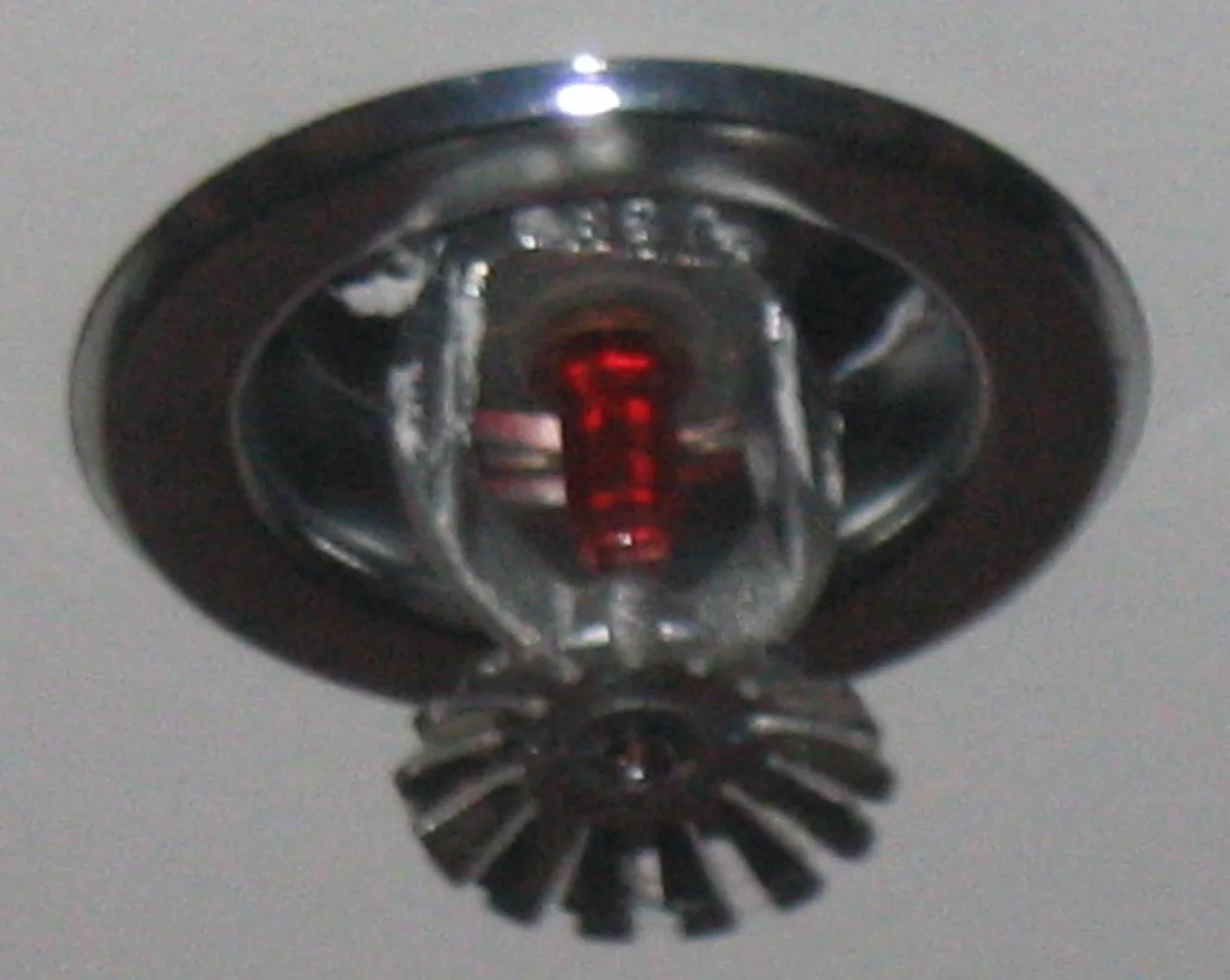
Fire sprinkler discharge cleanup in Medical District varies widely, often from $3,000 to well over $15,000, because a head can flood entire floors and drop water into the levels below. Cost depends on square footage affected, how many floors took on water, and how much finish and stock must be replaced. Commercial and homeowner policies usually cover accidental discharge; crews document thoroughly for your adjuster.
The Medical District wraps residential streets around Huntsville's hospitals, mixing older single-family homes with apartments and rentals where many properties share walls and plumbing. An aging water heater failure in a second-floor Medical District unit can reach the first floor and spread to adjacent apartments through shared foundations and rim joists. The Medical District's dense mix of single and multi-family homes includes aging supply lines and water heaters common in post-war rental stock. Shared foundations and close construction mean a water heater failure or burst fitting in the Medical District reaches multiple units and common areas in minutes. From Medical District, crews also cover nearby Dallas Mill Village, Five Points, Old Town, Twickenham, Lincoln Mill Village, Downtown Huntsville. See every neighborhood and town on the full service area page.
See all areas servedEvery loss is photographed, measured, and logged from the first visit, so the paperwork holds up with your insurance carrier.
Technicians follow recognized IICRC drying standards and prove the work with daily moisture readings, not guesswork.
Emergency dispatch any hour of the day or night, with a real crew on the way, not a callback in the morning.
A real crew dispatched any hour, not a callback in the morning.
Trained technicians following recognized IICRC drying standards.
Truck-mounted, portable, and submersible for any size loss.
The loss is documented and billed to the carrier directly.
Usually the at-fault property owner's insurance. Crews document everything in the Medical District to make liability clear: which unit's failure caused the damage, what water reached which neighboring Medical District spaces, and how each was mitigated. This record supports claims between Medical District neighbors.
Crews treat the shared wall cavity as a critical zone, running dehumidifiers and monitoring moisture on both sides. Medical District walls need consistent drying to prevent mold in cavities. Crews measure and report moisture in each Medical District apartment to ensure safe, thorough results.
Crews are on call 24 hours a day and can be on the way to Medical District within the hour.
Call (256) 485-6233